
• Online training login
t: 0330 223 36 86     e: [email protected]
Legionella Control International
  • Home
  • Services
  • Knowledge
  • Legionnaires
  • About
  • Contact
  • Click to open the search input field Click to open the search input field Search
  • Menu Menu
You are here: / Home / Knowledge / Compliance / Is Chlorine Dioxide the Perfect Way to Control Legionella Bacteria?

Is Chlorine Dioxide the Perfect Way to Control Legionella Bacteria?
Chlorine dioxide - controlling legionella bacteria in water

Chlorine and chlorine dioxide are two popular, but very different chemicals that are commonly used to treat water against lots of different bugs including legionella and other potentially dangerous bacteria. Both have their advantages and disadvantages especially when it comes to the control of Legionella bacteria in water systems.

Most people are familiar with the smell associated with chlorine (Cl) as it is often used to get rid of potentially harmful bacteria that can contaminate swimming pools, spas and hot tubs. Chlorine dioxide (ClO2) is another popular choice for disinfecting water sources to control legionella, other bacteria and importantly biofilm. There are many reasons for this.

A version of this article asking if chlorine dioxide is the biocide of choice for the control of legionella in water systems first appeared in Legionella Control International’s newsletter. To get it in your inbox, sign up for free here.

Why is chlorine dioxide so effective at controlling legionella?

Firstly, chlorine dioxides potency is very impressive. It means only a small amount of the chemical is required to have the desired disinfecting effect. Chlorine dioxide can kill off more than just bacteria, too. Fungi will also be eradicated when the chemical is added to water, along with biofilm. Secondly, its versatility means it is suitable for use as a disinfectant in both water and on hard surfaces depending on the situation.

  • Learn more about Legionnaires disease

Chlorine dioxide is more powerful than chlorine alone

Chlorine dioxide makes for the ideal biocide when used in water sources because it can wipe out many forms of waterborne bacteria, viruses and protozoa. Anyone responsible for managing legionella within a hot and cold water system, cooling tower, swimming pool, spa or other water system may use this biocide as an effective way to get rid of other problem bacteria and viruses too. These include Pseudomonas, MRSA, E-coli, and cryptosporidium – all capable of causing illness in humans, should anyone come into contact with them.
Chlorine dioxide is effective against a wide range of waterborne pathogens

ClO2 will destroy biofilm and help to prevent regrowth

Chlorine dioxides ability to destroy biofilm is also a very important feature of this chemical. Many bacteria can live and multiply in biofilm, which can form as a slimy coating inside pipework and other less-used areas of a water system. Once established, biofilm can be very difficult to remove and can become a problematic source of bacteria causing re-infection.

Chlorine dioxide is highly effective against biofilm which gives it a big advantage over chlorine alone

Cleaning before dosing with chlorine dioxide

It is often best to conduct a thorough cleaning of the water system prior to adding the biocide to it. This should be done by a water treatment professional who is trained and experienced in handling such matters. They will also know which dose rate is suitable for treating the system, not to mention how often such a dose will be required.

It is typically better to begin dosing with a low concentration of chlorine dioxide, before raising the levels if required. The cleaner a water system is, and the better managed it is in maintaining that state, the less ClO2 will be required to keep the system safe. Very often, automatic dosing pumps and controllers are put into place to minimise the amount of manual intervention involved in the maintenance process.

However, even when automatic dosing and controllers are used, regular checks on the system and chemical concentrations should still be conducted to ensure the system is working as it should be. Again, an engineer experienced and qualified in such matters should be tasked to do this. If any issues are found, they can then be dealt with quickly and effectively to maintain the cleanliness and integrity of the water system.
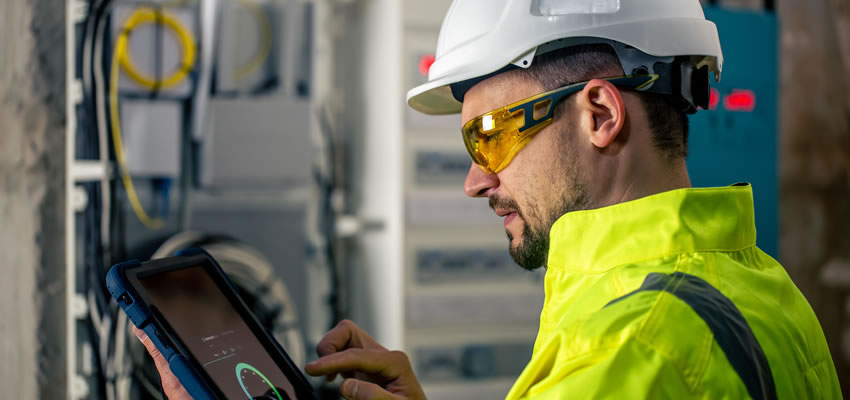
Water systems dosed with chlorine dioxide must be monitored regularly

World-leading legionella and water safety specialists

Our teams of water safety specialists support those responsible for the control of waterborne pathogens including Legionella bacteria in commercial, industrial and institutional environments across all regions of the UK and internationally. We deliver professional water safety solutions, water testing, independent compliance auditing, City & Guilds training and other environmental risk management services.

If you have questions about any of the issues raised above or you would like to speak with one of our specialists please call us today on 0330 223 36 87 or contact us here.

Search Search

Expert resources…

  • Legionella & other pathogens
  • Regulatory compliance
  • Expert guidance
  • International
  • Legionnaires’ disease
  • Legionella training
  • Glossary of terms
  • FAQ
  • News

REVIEWS

4.8
Legionella Control International is rated 4.8 out of 5 stars (based on 182 customer reviews)
Read our reviews

Get in touch...

Legionella Control International
Warren Bruce Court
Warren Bruce Road
Manchester M17 1LB
United Kingdom

Manchester: +44 (0) 161 877 05 86
London: +44 (0) 203 637 47 48
Email: [email protected]

Legionella newsletter...

A simple and convenient way of keeping up to date with the latest Legionella news, new legislation, best practice, R&D and much more…

Useful downloads…

  • HSE ACOP L8 – Control of Legionella
  • HSG274 Part 1 – Evaporative Cooling
  • HSG274 Part 2 – Hot & Cold
  • HSG274 Part 3 – Other Risks
  • Positive Legionella Tests – What To Do?
  • HSG282 – Spa Pools
  • Legionnaires’ – Duty Holders Guide
  • Health & Safety – Care Homes
  • Scalding Risks – Health & Social Care
            © Copyright 2026 - Legionella Control International Ltd.
  • Link to X
  • Link to Facebook
  • Link to LinkedIn
  • Home
  • About
  • Contact
  • FAQ
  • Disclaimer
  • Privacy
  • Modern Slavery
  • Reviews
  • Sitemap
Link to: How Does Pipework Size Influence Legionella in Water Systems? Link to: How Does Pipework Size Influence Legionella in Water Systems? How Does Pipework Size Influence Legionella in Water Systems?How does pipework size influence legionella in water systems? Link to: How to Deal with Positive Pseudomonas Aeruginosa Test Results Link to: How to Deal with Positive Pseudomonas Aeruginosa Test Results How to deal with positive pseudomonas testsHow to Deal with Positive Pseudomonas Aeruginosa Test Results
Scroll to top Scroll to top Scroll to top

This site uses cookies. By continuing to browse the site, you are agreeing to our use of cookies.

OKLearn more

Cookie and Privacy Settings


How we use cookies

We may request cookies to be set on your device. We use cookies to let us know when you visit our websites, how you interact with us, to enrich your user experience, and to customize your relationship with our website.

Click on the different category headings to find out more. You can also change some of your preferences. Note that blocking some types of cookies may impact your experience on our websites and the services we are able to offer.

Essential Website Cookies

These cookies are strictly necessary to provide you with services available through our website and to use some of its features.

Because these cookies are strictly necessary to deliver the website, refusing them will have impact how our site functions. You always can block or delete cookies by changing your browser settings and force blocking all cookies on this website. But this will always prompt you to accept/refuse cookies when revisiting our site.

We fully respect if you want to refuse cookies but to avoid asking you again and again kindly allow us to store a cookie for that. You are free to opt out any time or opt in for other cookies to get a better experience. If you refuse cookies we will remove all set cookies in our domain.

We provide you with a list of stored cookies on your computer in our domain so you can check what we stored. Due to security reasons we are not able to show or modify cookies from other domains. You can check these in your browser security settings.

Google Analytics Cookies

These cookies collect information that is used either in aggregate form to help us understand how our website is being used or how effective our marketing campaigns are, or to help us customize our website and application for you in order to enhance your experience.

If you do not want that we track your visit to our site you can disable tracking in your browser here:

Other external services

We also use different external services like Google Webfonts, Google Maps, and external Video providers. Since these providers may collect personal data like your IP address we allow you to block them here. Please be aware that this might heavily reduce the functionality and appearance of our site. Changes will take effect once you reload the page.

Google Webfont Settings:

Google Map Settings:

Google reCaptcha Settings:

Vimeo and Youtube video embeds:

Other cookies

The following cookies are also needed - You can choose if you want to allow them:

Accept settingsHide notification only

    Download our Legionella Risk Assessment Checklist for business owners, landlords, property managers and health and safety specialists and start managing your legionella risk today.