Facts About Nontuberculous Mycobacteria Infections
 In this article we explore the facts about nontuberculous mycobacteria or NTM with the healthcare water safety specialists at Legionella Control International.
The article begins by looking at what nontuberculous mycobacteria is and how common infections are. It then goes on to highlight how people become infected, typical symptoms and why it’s important to keep water systems, especially those in hospitals and similar healthcare environments properly cleaned and maintained?
A version of this article dealing with information about infections caused by nontuberculous mycobacteria or NTM appeared in Legionella Control International’s newsletter. To get it in your inbox, sign up for free here.
What is nontuberculous mycobacteria?
Few people are likely to have heard of nontuberculous mycobacteria (commonly known as NTM for short), yet if you work in a healthcare setting, it is certainly something you should be aware of.
For starters, what is a mycobacterium? Without going into depth, it is part of a family known as mycobacteriaceae. The genus mycobacterium includes over 190 known species. The basic difference between this and other bacteria is that mycobacteria possess an outer membrane.
Anyone can pick up an infection caused by NTM, but mycobacteria tend to take opportunities to easily infect people. Therefore, those with robust immune systems and good health are far less likely to be severely affected by such an infection. In contrast, healthy people sometimes possess the mycobacteria without even knowing it, as it may not cause an infection in everyone who encounters it.
You can begin to see why hospitals and similar healthcare settings are more prone to nontuberculous mycobacteria-based infections, since they will have many people who are at greater risk of severe outcomes and issues with such infections. That’s why NTM are known to be among other healthcare-associated infections or HAIs.
How common are NTM infections?
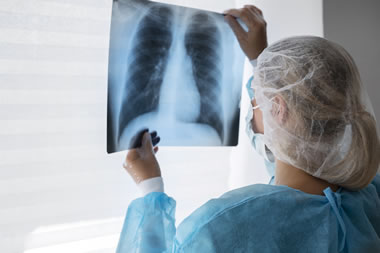
Nontuberculous mycobacteria can cause lung infections, although they are rare among the general population. Those who are more likely to be affected include those who already have some lung damage. The other at-risk group involves those who have a suppressed immune system. These individuals are less likely to be able to fend off the mycobacteria.
Similar to Legionella bacteria causing infections in older people, NTM infections are also more likely to occur in the older population, particularly in those aged 65 and over.
How are NTM infections caught?
While some infections can spread from one person to another, this is not typically the case with NTM. The exception appears to be mycobacteria abscessus, which has been noted to spread between people who have cystic fibrosis. In most other cases, though, an NTM infection is picked up from the activities of the person who catches it.
Since NTM bacteria exist in the world around us, particularly in soil and in water sources, it’s possible to pick up an NTM infection simply from being in the garden. The same could happen from using a tap or shower that has not been cleaned or regularly flushed through.
With the shower head example, we begin to see how it might be possible to pick up such an infection in a healthcare setting. Hospitals and healthcare buildings can be older or more complex than others. Take a hospital that may have been redesigned, renovated, or had buildings added to it over time, for example. The water systems inside a hospital or other healthcare venue may be more complex than those in other smaller buildings. This factor, coupled with a bigger chance of people from at risk groups being in these buildings, may increase the risk of NTM infections.
What symptoms are typically caused by NTM infections?
There is quite a range of symptoms to be aware of, and not everyone will experience the same ones. For example, one person may experience mild symptoms that cause little concern. Another individual might have a range of more serious symptoms that require medical attention. In all cases, if you suspect you may have an NTM infection, seek medical advice, especially if you already have a lung condition of some kind.
Many symptoms are like those caused by other infections. Fever, loss of energy, tiredness, and a cough are all common. The cough may be productive and may include coughing up blood in some cases.
Treatment includes physiotherapy to help get rid of phlegm, but some people will require antibiotics to combat symptoms that are difficult to get rid of.
Why is it important to keep healthcare water systems properly cleaned and maintained?
We noted that NTM infections are not spread between individuals. Even in cases where someone with an NTM infection has a lung condition and encounters others who have lung conditions, it is rare to pass it on.
This means that an infection could be transmitted via a water system. This might be a shower head that is infrequently used, and therefore offers a chance for biofilms to build up. The mycobacteria then multiply in that area and are transmitted via spray when the shower is used. The droplets are then inhaled by the user, which can lead to an infection and the symptoms mentioned above.
While anyone can develop an NTM infection, it’s far more likely to occur among those with lung infections or existing impairments. Hence why it is so important to maintain an effective programme for cleaning, testing, and maintaining the water systems in the buildings they are using. Legionella tends to grab many headlines nowadays, but this is not the only bacteria you need to combat, as you can see here.
Leading healthcare water safety specialists
Legionella Control International are world leading water safety specialists, supporting those responsible for the control of legionella and other waterborne pathogens in hospitals and other healthcare environments. Our water safety teams help keep water systems safe to use, protecting staff, patients, visitors and others from harm.
We are experienced in the healthcare role of Authorising Engineer (Water) and can assist organisations in the development of water safety management teams, policies, and procedures to safeguard people across large scale and multi-site property portfolios, complex facilities and those considered to be higher risk.
If you are concerned by any of the issues raised or you would like to speak with one of our healthcare water specialists, please call us today on 0330 223 36 86.

