• Online training login
t: 0330 223 36 86     e: [email protected]
Legionella Control International
  • Home
  • Services
  • Knowledge
  • Legionnaires
  • About
  • Contact
  • Click to open the search input field Click to open the search input field Search
  • Menu Menu
You are here: / Home / Knowledge / Guidance / Mycobacteria in Water: Things to Be Aware Of

Mycobacteria in Water: Things to be Aware Of
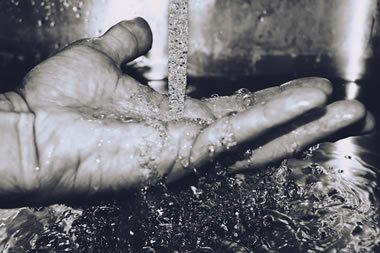
Mycobacteria in water

Mycobacteria are a group of rod-shaped bacteria that can cause several diseases in humans including tuberculosis and leprosy. Around 20 of the 90 known species can cause illness. The bacteria are not believed to spread from one person to another; rather, they are thought to spread via environmental means, including drinking water. This is particularly notable in non-tuberculosis mycobacteria, or NTM for short.

Where can non-tuberculosis mycobacteria be found?

Water seems to be the main source of non-tuberculosis mycobacteria species. They have been noted as present in many water sources, from waste water to tap water. The bacteria exhibit an outer coating that makes them especially hardy in watery environments.

While these bacteria do occur in water sources of many kinds, it is unclear just how many water sources might include their presence. The few studies that have been done have come up with figures anywhere between 11% and 38% of the samples taken for that study.

How can the bacteria get inside the body?

It is possible for mycobacteria to be breathed in if they are present in mist or aerosol. They can also be swallowed, for example if someone drinks water from a tap where the bacteria are present. It is also possible for them to get into the body via a wound or opening in the skin.

How does an infection driven by NTM present itself?

There are several ways an infection caused by NTM can be identified. Infections can occur in the lymph nodes, skin, soft tissues, and the pulmonary system. Ear infections are also possible, as are infections associated with catheters in patients who have them.

There are cases where NTM species have led to infections across the body, rather than being localised. In such instances, treatment would likely involve more than one drug. Some infections may include lesions; if so, they will either be successfully treated with drugs or removed via surgical means. However, many such lesions clear up on their own.

Who is at greatest risk of falling ill?

Most people who are fit and well will have no issues in fending off potential infection caused by these non-tuberculosis mycobacteria. Those who have been injured, or who suffer from pulmonary issues, or have trouble with their immune system, are most at risk.

How to tackle NTM species in the water

Once the species have been identified in a water system or source, there are two methods for dealing with them. They can be removed, or a disinfectant can be used to gain control of the outbreak.

  • Learn more about non-tuberculosis mycobacteria

World-leading water safety specialists

Our teams of water safety specialists support those responsible for the control of waterborne pathogens in hospitals and healthcare environments across all regions of the UK and internationally. We deliver professional water safety solutions, water testing, independent compliance auditing, City & Guilds training and other environmental risk management services.

If you have questions about any of the issues raised above or you would like to speak with one of our specialists please call us today on 0330 223 36 87 or contact us here.

Search Search

Expert resources…

  • Legionella & other pathogens
  • Regulatory compliance
  • Expert guidance
  • International
  • Legionnaires’ disease
  • Legionella training
  • Glossary of terms
  • FAQ
  • News

REVIEWS

4.8
Legionella Control International is rated 4.8 out of 5 stars (based on 182 customer reviews)
Read our reviews

Get in touch...

Legionella Control International
Warren Bruce Court
Warren Bruce Road
Manchester M17 1LB
United Kingdom

Manchester: +44 (0) 161 877 05 86
London: +44 (0) 203 637 47 48
Email: [email protected]

Legionella newsletter...

A simple and convenient way of keeping up to date with the latest Legionella news, new legislation, best practice, R&D and much more…

Useful downloads…

  • HSE ACOP L8 – Control of Legionella
  • HSG274 Part 1 – Evaporative Cooling
  • HSG274 Part 2 – Hot & Cold
  • HSG274 Part 3 – Other Risks
  • Positive Legionella Tests – What To Do?
  • HSG282 – Spa Pools
  • Legionnaires’ – Duty Holders Guide
  • Health & Safety – Care Homes
  • Scalding Risks – Health & Social Care
            © Copyright 2026 - Legionella Control International Ltd.
  • Link to X
  • Link to Facebook
  • Link to LinkedIn
  • Home
  • About
  • Contact
  • FAQ
  • Disclaimer
  • Privacy
  • Modern Slavery
  • Reviews
  • Sitemap
Link to: Can Hospital Sinks Harbour Dangerous Bacteria? Link to: Can Hospital Sinks Harbour Dangerous Bacteria? Can Hospital Sinks Harbour Dangerous Bacteria?hospital sinks dangerous bacteria Link to: Facts About Legionnaires Disease Link to: Facts About Legionnaires Disease Facts about legionnaires diseaseFacts About Legionnaires Disease
Scroll to top Scroll to top Scroll to top

This site uses cookies. By continuing to browse the site, you are agreeing to our use of cookies.

OKLearn more

Cookie and Privacy Settings


How we use cookies

We may request cookies to be set on your device. We use cookies to let us know when you visit our websites, how you interact with us, to enrich your user experience, and to customize your relationship with our website.

Click on the different category headings to find out more. You can also change some of your preferences. Note that blocking some types of cookies may impact your experience on our websites and the services we are able to offer.

Essential Website Cookies

These cookies are strictly necessary to provide you with services available through our website and to use some of its features.

Because these cookies are strictly necessary to deliver the website, refusing them will have impact how our site functions. You always can block or delete cookies by changing your browser settings and force blocking all cookies on this website. But this will always prompt you to accept/refuse cookies when revisiting our site.

We fully respect if you want to refuse cookies but to avoid asking you again and again kindly allow us to store a cookie for that. You are free to opt out any time or opt in for other cookies to get a better experience. If you refuse cookies we will remove all set cookies in our domain.

We provide you with a list of stored cookies on your computer in our domain so you can check what we stored. Due to security reasons we are not able to show or modify cookies from other domains. You can check these in your browser security settings.

Google Analytics Cookies

These cookies collect information that is used either in aggregate form to help us understand how our website is being used or how effective our marketing campaigns are, or to help us customize our website and application for you in order to enhance your experience.

If you do not want that we track your visit to our site you can disable tracking in your browser here:

Other external services

We also use different external services like Google Webfonts, Google Maps, and external Video providers. Since these providers may collect personal data like your IP address we allow you to block them here. Please be aware that this might heavily reduce the functionality and appearance of our site. Changes will take effect once you reload the page.

Google Webfont Settings:

Google Map Settings:

Google reCaptcha Settings:

Vimeo and Youtube video embeds:

Other cookies

The following cookies are also needed - You can choose if you want to allow them:

    Download our Legionella Risk Assessment Checklist for business owners, landlords, property managers and health and safety specialists and start managing your legionella risk today.