
• Online training login
t: 0330 223 36 86     e: [email protected]
Legionella Control International
  • Home
  • Services
  • Knowledge
  • Legionnaires
  • About
  • Contact
  • Click to open the search input field Click to open the search input field Search
  • Menu Menu
You are here: / Home / Knowledge / Guidance / Gardner Contracts Legionnaires Disease from Hose Pipe

Grandfather Dies After Contracting Legionnaires Disease from Garden Hose Pipe
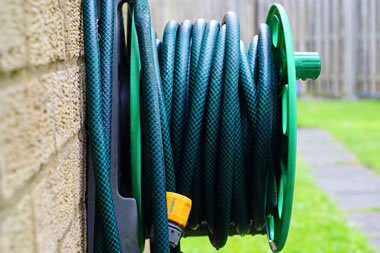
Legionnaires disease from garden hoseA 63-year-old man who died from Legionnaires’ disease in February this year appears to have contracted it via his garden hose pipe. Stephen Clements began developing flu-like symptoms shortly after using the hosepipe in his garden. He had used the hose earlier in the year, and hadn’t emptied the hose once he had finished using it. It appears the hose sat in the sun for a time, with water still inside it.

Contracting Legionnaires’ disease from your garden hose

This combination of stagnant water left inside the hose and increased water temperatures would have created the perfect breeding ground for legionella bacteria which can cause Legionnaires’ disease.

The bacteria exist in nature, and prefer stagnant water that is between 20 and 45 degrees Celsius. It is thought the conditions inside the hosepipe fulfilled these criteria. When Mr Clements used the hose to clean the terrace in the back garden, it created a fine spray, further exacerbated by using a broom to sweep the area. It is thought that he inhaled the spray and then fell ill shortly afterwards.

    • Get the facts on Legionnaires’ disease

He was admitted to the Norfolk and Norwich University Hospital after contracting pneumonia, and sadly died a week later.

Is your hosepipe safe from legionella bacteria?

The local council received a request from Public Health England to take samples from the property, to try and determine whether the legionella bacteria did come from the hosepipe. These tests confirmed that legionella bacteria were found inside the hosepipe used by Mr Clements. However, there was not enough evidence to prove that was the specific strain of legionella that caused Mr Clements’ death.

Legionella bacteria thrive in stagnant water that is between 20 and 45 degrees Celsius

His widow has since warned people to be more aware of the potential danger harboured by one of the most innocent-looking items in the garden.

How to minimise legionella risks from garden hoses

Both Legionella Control International and Watersafe, the UK’s main accreditation body for the plumbing industry, have promoted a hosepipe safety message recently, to help people understand where the dangers lie.

They recommend a valve should be fitted that ensures no water from the hose can flow back into the mains water supply. If that water is contaminated, this could potentially introduce legionella into the home.

They also recommend garden hose pipes should be stored out of the sun, drained and left empty when not in use. When you do want to use it, water should be turned on slowly so as not to create a spray and left to flush through the hosepipe for a few minutes prior to use. It is also advisable to use a spray gun nozzle rather than any other form of attachment to minimise the danger of legionella.

World-leading legionella risk management specialists

From our offices in London, Manchester and Glasgow our experts serve clients across all regions of the United Kingdom, Europe and internationally delivering professional legionella risk assessments, independent compliance auditing, City & Guilds training and other environmental risk management services.

If you have questions about any of the issues raised above or you would like to speak with one of our specialists call us today on 0330 223 36 86 or get in touch here … contact us

Search Search

Expert resources…

  • Legionella & other pathogens
  • Regulatory compliance
  • Expert guidance
  • International
  • Legionnaires’ disease
  • Legionella training
  • Glossary of terms
  • FAQ
  • News

REVIEWS

4.8
Legionella Control International is rated 4.8 out of 5 stars (based on 182 customer reviews)
Read our reviews

Get in touch...

Legionella Control International
Warren Bruce Court
Warren Bruce Road
Manchester M17 1LB
United Kingdom

Manchester: +44 (0) 161 877 05 86
London: +44 (0) 203 637 47 48
Email: [email protected]

Legionella newsletter...

A simple and convenient way of keeping up to date with the latest Legionella news, new legislation, best practice, R&D and much more…

Useful downloads…

  • HSE ACOP L8 – Control of Legionella
  • HSG274 Part 1 – Evaporative Cooling
  • HSG274 Part 2 – Hot & Cold
  • HSG274 Part 3 – Other Risks
  • Positive Legionella Tests – What To Do?
  • HSG282 – Spa Pools
  • Legionnaires’ – Duty Holders Guide
  • Health & Safety – Care Homes
  • Scalding Risks – Health & Social Care
            © Copyright 2026 - Legionella Control International Ltd.
  • Link to X
  • Link to Facebook
  • Link to LinkedIn
  • Home
  • About
  • Contact
  • FAQ
  • Disclaimer
  • Privacy
  • Modern Slavery
  • Reviews
  • Sitemap
Link to: Ludlow Feathers Hotel Closes After Legionnaires’ Death Link to: Ludlow Feathers Hotel Closes After Legionnaires’ Death Ludlow Feathers Hotel Closes After Legionnaires’ DeathHistoric Ludlow Feathers Hotel Closes After Legionnaires’ Disease Death Link to: Legionnaires Disease Link to Dubai Confirmed By ECDC Link to: Legionnaires Disease Link to Dubai Confirmed By ECDC Legionnaires disease link to DubaiLegionnaires Disease Link to Dubai Confirmed By ECDC
Scroll to top Scroll to top Scroll to top

This site uses cookies. By continuing to browse the site, you are agreeing to our use of cookies.

OKLearn more

Cookie and Privacy Settings


How we use cookies

We may request cookies to be set on your device. We use cookies to let us know when you visit our websites, how you interact with us, to enrich your user experience, and to customize your relationship with our website.

Click on the different category headings to find out more. You can also change some of your preferences. Note that blocking some types of cookies may impact your experience on our websites and the services we are able to offer.

Essential Website Cookies

These cookies are strictly necessary to provide you with services available through our website and to use some of its features.

Because these cookies are strictly necessary to deliver the website, refusing them will have impact how our site functions. You always can block or delete cookies by changing your browser settings and force blocking all cookies on this website. But this will always prompt you to accept/refuse cookies when revisiting our site.

We fully respect if you want to refuse cookies but to avoid asking you again and again kindly allow us to store a cookie for that. You are free to opt out any time or opt in for other cookies to get a better experience. If you refuse cookies we will remove all set cookies in our domain.

We provide you with a list of stored cookies on your computer in our domain so you can check what we stored. Due to security reasons we are not able to show or modify cookies from other domains. You can check these in your browser security settings.

Google Analytics Cookies

These cookies collect information that is used either in aggregate form to help us understand how our website is being used or how effective our marketing campaigns are, or to help us customize our website and application for you in order to enhance your experience.

If you do not want that we track your visit to our site you can disable tracking in your browser here:

Other external services

We also use different external services like Google Webfonts, Google Maps, and external Video providers. Since these providers may collect personal data like your IP address we allow you to block them here. Please be aware that this might heavily reduce the functionality and appearance of our site. Changes will take effect once you reload the page.

Google Webfont Settings:

Google Map Settings:

Google reCaptcha Settings:

Vimeo and Youtube video embeds:

Other cookies

The following cookies are also needed - You can choose if you want to allow them:

    Download our Legionella Risk Assessment Checklist for business owners, landlords, property managers and health and safety specialists and start managing your legionella risk today.