
Common Closed Water System Problems
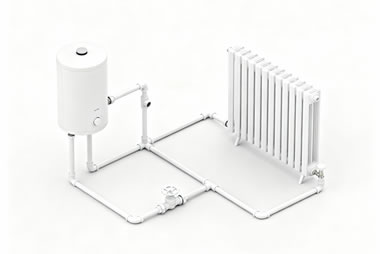
Closed water systems are often assumed to be largely self-maintaining, protected from the debris and contaminants that commonly trouble open circuits. Yet in practice, they can still suffer from a range of issues that quietly undermine performance and, if left unchecked, introduce wider operational risks. From shifts in water chemistry to the gradual encroachment of microbiological activity, these problems tend to develop out of sight, making regular water testing, monitoring and targeted intervention essential.
In this article, we take a closer look at the faults most frequently encountered in closed systems and explain how each one arises. We outline the warning signs to watch out for, the practical steps that can be taken to correct emerging issues, and why proactive management is vital for maintaining system efficiency and safeguarding against potential health risks.
A version of this article exploring the most common problems affecting closed water systems first appeared in Legionella Control International’s newsletter. To get it in your inbox, sign up here.
Closed water systems and the problems to watch out for
You might think that closed water systems are less likely to be affected by the issues seen in open systems such as corrosion, scaling and microbiological fouling. Since they’re closed, there is little chance of external debris or other contaminants getting into the system.
While that’s true, closed water systems are still prone to being affected by certain issues. We’ll go through the most common ones below.
Scale buildup inside closed water systems
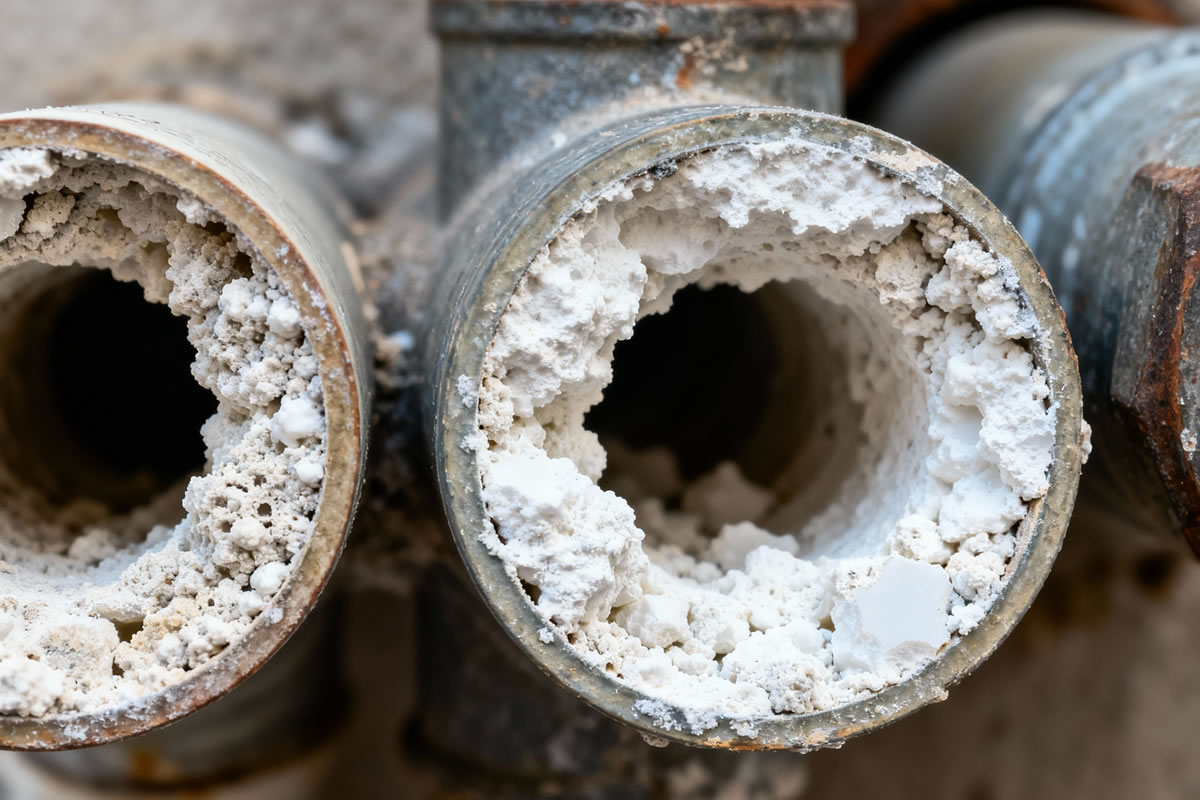
Scale tends to be far less likely to occur in a closed system. It’s more common in hard water areas, which naturally lead to more scale buildup in pipework and appliances anyway.
Scale may also become an issue if the system requires topping up regularly. If hard water is used to achieve this, it could also raise the risk of scale building up within the system. Over time, scale can deposit on the inside of pipes and other parts of the system. This build-up will reduce efficiency and lead to less heat transfer.
The best solution to this problem is to add a chemical descaler or antiscalant to the system. You won’t usually need to stop using the system at the time. Indeed, in many cases, the descaler can be added and left to do its work, to ensure all scale is removed over time.
Reduced nitrite levels inside the closed water system
If you find your nitrite levels have dropped far lower than 250ppm (parts per million), you can likely blame bacteria (Nitrite Reducing Bacteria or NRB’s) that are known for reducing these levels. The solution to this is to add a relevant biocide to the closed system to control microbial growth.
Keep a note of the bacterial levels from your initial water tests, before adding the biocide. Make sure you read the instructions to add the correct dose to the system. You can then repeat the test a week or so later to see whether the desired change has been achieved. At this point, you should also add a nitrite supplement to your system to ensure the levels are back in the correct zone.
Preventing biofilm buildup in the closed system
It’s common to treat a water system with a suitable biocide. Ideally, this will prevent biofilm from building up to start with. Since this acts as a food source and “hide-out” for Legionella and other waterborne bacteria, it is imperative to keep biofilms firmly under control.
If you are responsible for the operation of a closed water system that is already experiencing issues with biofilms, it is prudent to consult an expert who can identify the right course of action. It’s possible to add a biocide to reduce the number of bacteria in the water. However, you may also need to use a specialist biofilm disrupter, a chemical removal product to get rid of the stubborn biofilm.
You may also need to check and clean out any filters or strainers in place in the system following this treatment. Those are the most likely places where biofilm will end up.
Controlling raised levels of copper in the water system
It is important not just to know exactly how your closed water system works but what it is made from. For example, if you have copper pipework (or indeed any other parts made from copper) present in the system, you must be aware of the potential for increased copper levels in water samples.
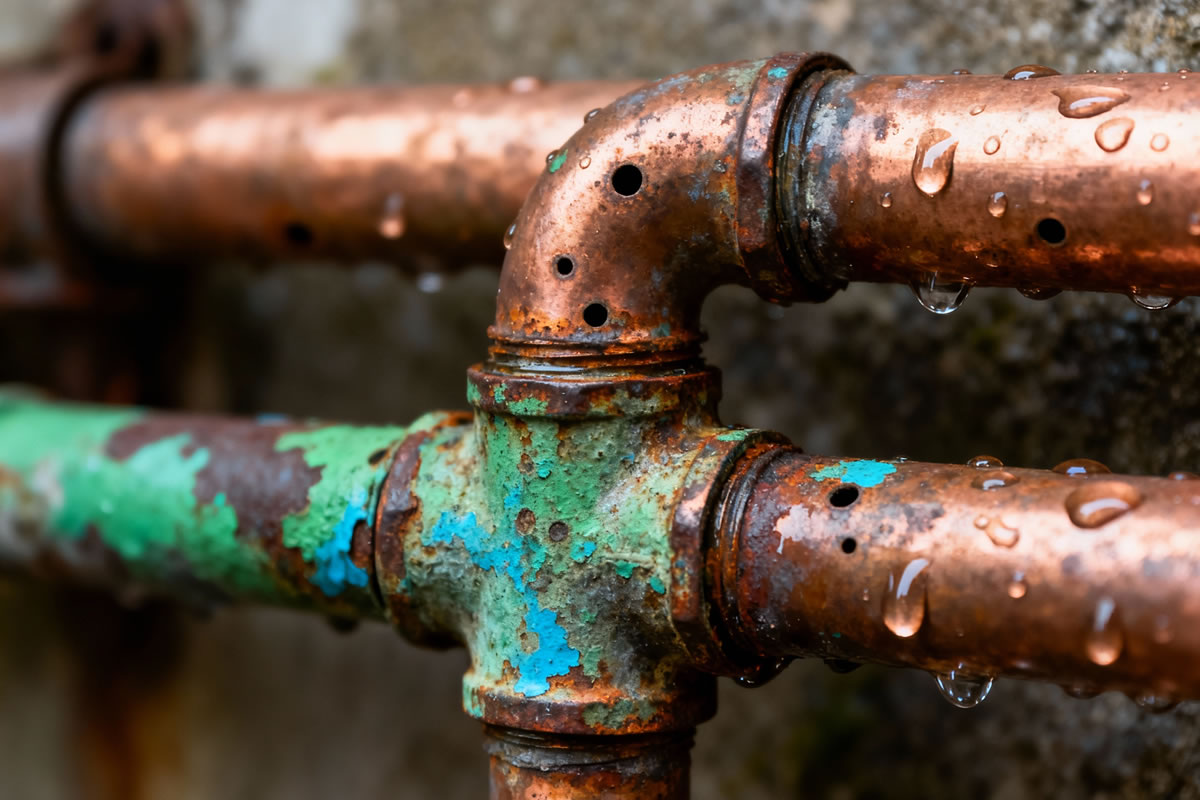
Copper cannot rust, because it doesn’t contain iron, but it can corrode, and this can be just as problematic. Copper can develop a greenish-blue patina when exposed to oxygen, and this in turn can lead to leaks in pipework.
In this case, the aim is to prevent any copper corrosion from developing further and causing more issues. You should add a specialist water treatment chemical called azole to the system to inhibit the process of corrosion. This coats the internal surfaces of copper pipes, other internal surfaces and anything else made from copper, to prevent the corrosion from taking place, or from worsening if it has already started.
Preventing foaming inside the closed system
Foaming is far less common, but still worth being aware of it in case it affects your closed system. If you notice foaming, it’s important to work out what is causing it, as it can be produced by several factors.
In many cases, a high flow rate will be to blame. However, in some cases, an increase in microbiological activity can lead to the development of biofilm, as we’ve seen. This in turn could cause foam to appear.
If air is allowed to enter the system, this too can cause foaming. When coupled with a high flow rate, the air can generate foam as it travels around the water system.
Finally, contamination or the application of the wrong water treatment chemicals can both cause foaming. As you can see, with several possibilities here, it’s essential to work out which one is causing the unwanted foaming, so that you can resolve it quickly.
Is Legionella an issue in closed water systems?
Most people have heard of Legionnaires’ disease, a type of pneumonia caused by inhaling Legionella bacteria into the lungs. While there is treatment, many cases require hospitalisation and antibiotics.
If you are responsible for the management of any type of water system, you must ensure you conduct a Legionella risk assessment to determine the type and level of risks involved. You must do everything you reasonably can to remove those risks, or at least to reduce them.
Closed water systems generally pose a far lower risk for Legionella bacteria contamination compared with open systems. For people to be able to inhale Legionella bacteria, they must be present in water vapour, mist, or aerosols. This doesn’t occur with closed systems.
However, we can see there are still a variety of issues that can occur with closed-circuit water systems. it is imperative that you make sure you identify all such issues and resolve them as quickly as possible. This in turn will reduce the slim chance of any issues regarding Legionella bacteria.
Imagine, for example, that you were to ignore raised copper levels in the water system. This could, in turn, lead to corrosion and the potential for holes to appear in pipework. If the water pressure is too high or the flow is too strong, this may increase the risk of spray or mist being ejected from part of the system, thereby increasing the Legionella risk.
Seek advice from an expert if you wish to find out more about the various ways you can test, avoid or resolve any common problems with a closed water system.
In conclusion
Keeping a closed water system in good working order ultimately comes down to understanding how small changes in water quality, flow conditions, or system integrity can build into more serious problems over time. While these systems are designed to operate with minimal external interference, they still require routine oversight to ensure issues such as corrosion, microbiological activity, scale formation, or chemical imbalance don’t gain a foothold. Addressing concerns early not only preserves system efficiency but also helps maintain the low Legionella risk that closed circuits are intended to offer.
By taking a proactive approach, regular testing, thoughtful chemical control, and timely corrective action you can prevent many of the challenges outlined in this article from developing in the first place. Closed systems may be less exposed than their open counterparts, but they are far from immune to deterioration if left unchecked. Consistent monitoring and expert guidance, where needed, will help ensure your system remains stable, efficient, and safe throughout its operational life.
World leading water safety specialists
The water safety specialists at Legionella Control International help business owners, property developers, designers, services engineers and building contractors improve the management of water systems to reduce costs, mitigate risks associated with Legionella and other waterborne pathogens to maintain regulatory compliance and keep people safe.
If you would like to speak with one of our water safety specialists about your closed systems, water quality testing and mitigating water safety risk call us today on 0330 223 36 86 or contact us here …

