The Dangers of Pseudomonas in Hospital Water Systems
 In this article our healthcare water safety specialists review the potential dangers presented by pseudomonas in hospital water systems and what can be done to control them.
The article explains what pseudomonas is and who’s most at risk from infection. It goes on to highlight where the bacterium can be found and how waterborne pseudomonas can be controlled to mitigate risks in hospitals and other healthcare environments.
A version of this story warning of the dangers of pseudomonas in hospital water systems first appeared in Legionella Control International’s newsletter. To get it in your inbox, sign up for free here.
Are hospital water systems at risk from pseudomonas?
Most people have heard of Legionnaires’ disease. Many also recognise the risk posed by excessive levels of Legionella bacteria in building water systems. However, pseudomonas is less well-known, yet still poses a significant risk to many of those who encounter it, especially those in hospital environments who’ve undergone surgery, have suffered burns or have weakened immune systems. And this can happen via a water system.
What is pseudomonas?
Pseudomonas aeruginosa is a bacterium capable of causing infections in humans. As with Legionella bacteria, pseudomonas naturally occurs in the world around us, usually in soil and natural water sources. However, both also cause infections – and in the case of pseudomonas, it cannot always be brought under control by regular antibiotics.
This means that maintaining a safe manmade water system becomes even more important to keep people safe.
Are pseudomonas infections dangerous?
Pseudomonas aeruginosa can cause serious infections in the blood, lungs or other parts of the body, especially after surgery.
Pseudomonas infections cannot always be brought under control using regular antibiotics.
Who’s most at risk from pseudomonas infection?
Hospital patients are typically most at risk from infection, especially those:
- with burns or surgical wounds
- using breathing ventilators
- using catheters and similar medical devices
- with weakened immune systems
Where is pseudomonas found?
Hospital and healthcare water systems are at particular risk of being colonised by Pseudomonas aeruginosa. These systems can be large and complex, which raises the risk of neglect of certain areas. There is more chance of dead legs or infrequently used outlets, which again raises the risk of the bacteria spreading.
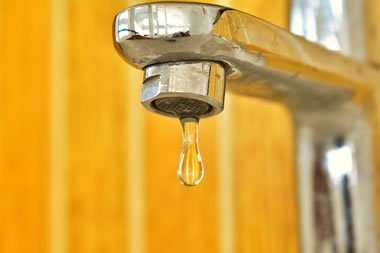
Pseudomonas is commonly found in and around sink areas affecting taps, drain outlets, traps and pipes
However, any water system is at risk of raised levels of the bacteria. Pseudomonas is most commonly encountered at sink and other water outlets — taps, drainage traps and pipework — which are likely to be used by many people. In the case of hospitals and other healthcare settings, the people most likely to encounter the water system are those who may already have health issues. This may put them at greater risk of infection anyway.
Where does pseudomonas like to multiply?
It’s obvious that a water source is ideal, but other factors must also be present for the bacteria to really take hold. As is the case with Legionella bacteria, slow-moving water or ideally stagnant water provide the perfect place for biofilms to form. These in turn protect the Pseudomonas bacteria and allow them to spread.
Other issues such as corrosion of water pipes can then occur over time. These can make biofilms worse giving them ideal fissures and crevices to take-hold. The cycle continues to encourage the spread of the bacteria and pseudomonas can colonise the system more extensively, affecting other parts of the water network by spreading beyond their original starting point.
Good water hygiene is essential
Good water hygiene practices, including regular cleaning and disinfecting of the water systems, outlets and drain points are of paramount importance. However, it is also essential to prevent water stagnation and dead legs from occurring wherever possible. This is easy enough to do in a modern building as it can be designed that way to begin with. However, in other cases, buildings may have been added to, extended, or otherwise seen use of certain areas reduced. If a dead leg cannot be removed, other steps should be taken to ensure there is no reduced flow or stagnant water in the affected area.
Always focus on preventative measures
One of the most important things to note about any water system and the risk of pseudomonas is prevention. The saying goes that it is better to do this than to face curing a problem – and that certainly applies in this case.
If a water system of any size is not regularly cleaned and maintained, and pseudomonas gets the chance to colonise, bringing it back under control can be extremely difficult. The ideal is to make sure this doesn’t happen to begin with. Expert assistance can make a profound difference in this case.
Healthcare water safety specialists
Our healthcare water safety specialists support those responsible for the control of waterborne pathogens including legionella and pseudomonas in the hospitals and other healthcare environments, helping them to protect people and so meet their health and safety obligations in this specialist area.
We are experienced in the role of Authorising Engineer (Water) and deliver professional water safety risk assessments for legionella, pseudomonas and other waterborne pathogens. We also offer water quality testing, independent compliance auditing, City & Guilds training and other risk management services that help keep staff and others safe.

