7 Ways AI Predictive Analysis Can Reduce Legionella Risk
Artificial intelligence is rapidly transforming the way organisations monitor and manage risk, and water safety is no exception. By analysing large volumes of historical and real-time data, AI predictive analysis can help identify conditions that may encourage Legionella growth before they become a serious concern. This proactive approach gives duty holders and responsible persons greater visibility of potential risks, allowing preventative action to be taken sooner and helping to support safer, more resilient water systems.
In this article, we explore seven ways AI predictive analysis can contribute to Legionella risk reduction. From predicting high-risk water conditions and detecting system anomalies to improving maintenance schedules, supporting compliance, and learning from past incidents, we examine how emerging AI technologies could strengthen existing water safety strategies and help organisations maintain effective control of their water systems.
A version of this article highlighting how artificial intelligence could reduce Legionella risk first appeared in Legionella Control International’s newsletter. To get it in your inbox, sign up here.
How AI could improve Legionella control
Legionella poses a risk to all man-made water systems. Fortunately, we can identify and reduce many risk factors if we have the knowledge, experience and inclination to do so.
As you likely know, AI is finding its way into many areas of our lives. And as it turns out, AI predictive analysis can help us keep our water systems safe, reducing the risk of Legionella bacteria getting out of control. Here, we’ll ask – and answer – various questions surrounding AI predictive analysis and how it might help maintain a safe water system.
1. Can AI predict high-risk water conditions before they happen?
Yes, AI can identify patterns, using both historical data and data taken from the water system as it is now. For example, we know that Legionella will multiply and spread in ideal temperatures of between 20 and 45 degrees Celsius. Additionally, increased nutrient levels in the water give bacteria something to feed on.
Another danger point concerns stagnated water and slower flow rates. AI models can identify these and highlight when they become a concern, thereby raising the risk of Legionella bacteria multiplying.
In short, AI models can look at past performance, analyse the current situation, and identify when conditions are favourable for Legionella bacteria to spread. This can alert those in charge to take steps to prevent high-risk situations from developing further to start with.

2. Can AI use intelligent monitoring to identify anomalies in the water system?
Yes. IoT (Internet of Things) water sensors constantly check the water for anomalies that could raise the risk of bacterial problems. For example, the sensors can identify a change in water temperature that could put it within the danger zone for Legionella bacteria to multiply. AI intelligent monitoring can also identify other issues, such as a sudden drop in disinfectant levels.
This has two big advantages. Firstly, AI will be able to use this data to alert those responsible for the safety of a water system that a potential problem must be dealt with – before it becomes an issue. Secondly, the consistent monitoring means that staff won’t need to rely on manual sampling. Even if regularly done, manual sampling only shows a picture or snapshot at that moment. AI uses a constant stream of data to identify problems the moment they develop.
3. Can AI improve water safety, maintenance and flushing schedules?
Yes, being able to act on data assessed by AI monitoring 24/7 means we can understand more about the water system. We can find out where the danger zones are – which areas have increased levels of biofilm or a lower water flow, thereby increasing the risk of stagnation.
In short, AI predictive analysis can identify those areas most in need of maintenance. It can also point to outlets that require more regular flushing. We can use this to help create a more efficient schedule to maintain a safe water system.
4. Can AI predict likely Legionella concentrations before lab results are confirmed?
AI predictive analysis can take historical data and compare it to current data in several areas, including biocide levels, water temperature, and the pH level of the water.
AI can then use this data to identify the potential for raised Legionella concentrations – even before lab test results are returned and confirmed. This allows for proactive steps to tackle potential outbreaks of Legionnaires’ disease before they have a chance to take hold.

5. Can AI produce a digital or virtual replica of a real-life man-made water system?
Yes, and this digital replica allows those in charge of water safety to identify via this model all potential risk factors – including those that are not as visible as others. AI can also create virtual scenarios to see what happens if a component breaks or fails. This shows another proactive part of AI predictive analysis, in that it can predict a solution in various scenarios, should they occur.
It can also be useful when planning renovations or extensions that will affect the water system. Rather than taking a course of action and then finding it causes issues with the water system, AI can use current data and extend the water system virtually first. This computer model will highlight possible issues that can be resolved long before any actual building or renovation work is begun saving both time and money.
6. Can AI automate water safety compliance according to current regulations?
Yes. If you introduce AI predictive analysis as part of your water safety approach, you can make sure it consistently assesses risk factors identified in ACOP L8, HSG274, HTM/SHTM 04-01 etc. It can also produce automated logs and provide a clear audit trail. It protects against the risk of human error, too.
In this respect, you will have a full set of records you can produce should you be audited or receive a visit from the Health and Safety Executive (HSE), Care Quality Commission or Ofsted for any reason.
7. Can you use AI to help learn lessons from past issues with water systems?
Yes, and this doesn’t need to relate to the water system in use either. For example, your place of work may use one or more cooling towers. AI predictive analysis can use data gleaned from Legionnaires’ disease outbreaks caused by other cooling towers to identify risk factors and how those outbreaks occurred.
This highlights commonalities in certain parts of a water system, whether that involves a cooling tower, a spa pool, or a shower head – all of which generate water aerosols that could contain Legionella bacteria.
AI therefore gives you the tools to prevent similar outbreaks from happening in the water system you are responsible for.
How can AI driven predictive analysis help you?
All businesses are required to control Legionella and other waterborne bacteria in their water systems. For many, this involves regular cleaning, maintenance, and monitoring, along with periodic testing and dosing to ensure the system is as safe as possible.
Yet it also means reacting to problems when they are identified. Legionella control is possible, and AI predictive analysis can make it easier to achieve this. By using historical data and learning patterns, AI can identify areas and elements that may not pose a risk now but could do so in future. And that means you can make sure the water system you are responsible for managing is as safe as possible.
Looking Ahead: AI as a tool for proactive Legionella control
As we’ve seen, AI predictive analysis has the potential to transform how water systems are monitored, maintained, and managed. Rather than simply responding to problems after they arise, organisations can use AI-driven insights to identify developing risks, prioritise preventative action, and make more informed decisions about their water safety strategies.
While AI is not a replacement for robust Legionella risk assessments, regular monitoring, or expert Legionella control measures, it can provide an additional layer of intelligence that supports these essential activities. As the technology continues to evolve, AI predictive analysis is likely to become an increasingly valuable tool for duty holders seeking to maintain safe water systems, strengthen compliance, and reduce the likelihood of Legionella-related incidents. By combining proven water safety practices with emerging technologies, organisations can take a more proactive approach to protecting building occupants and managing Legionella risk.
Supporting Proactive Water Safety Management
While AI predictive analysis offers exciting opportunities for the future of water safety management, its value ultimately depends on the quality of the data being collected and the expertise used to interpret and act upon it. Effective Legionella control still requires a comprehensive approach that combines robust monitoring, expert risk assessment, planned maintenance, and ongoing compliance management.
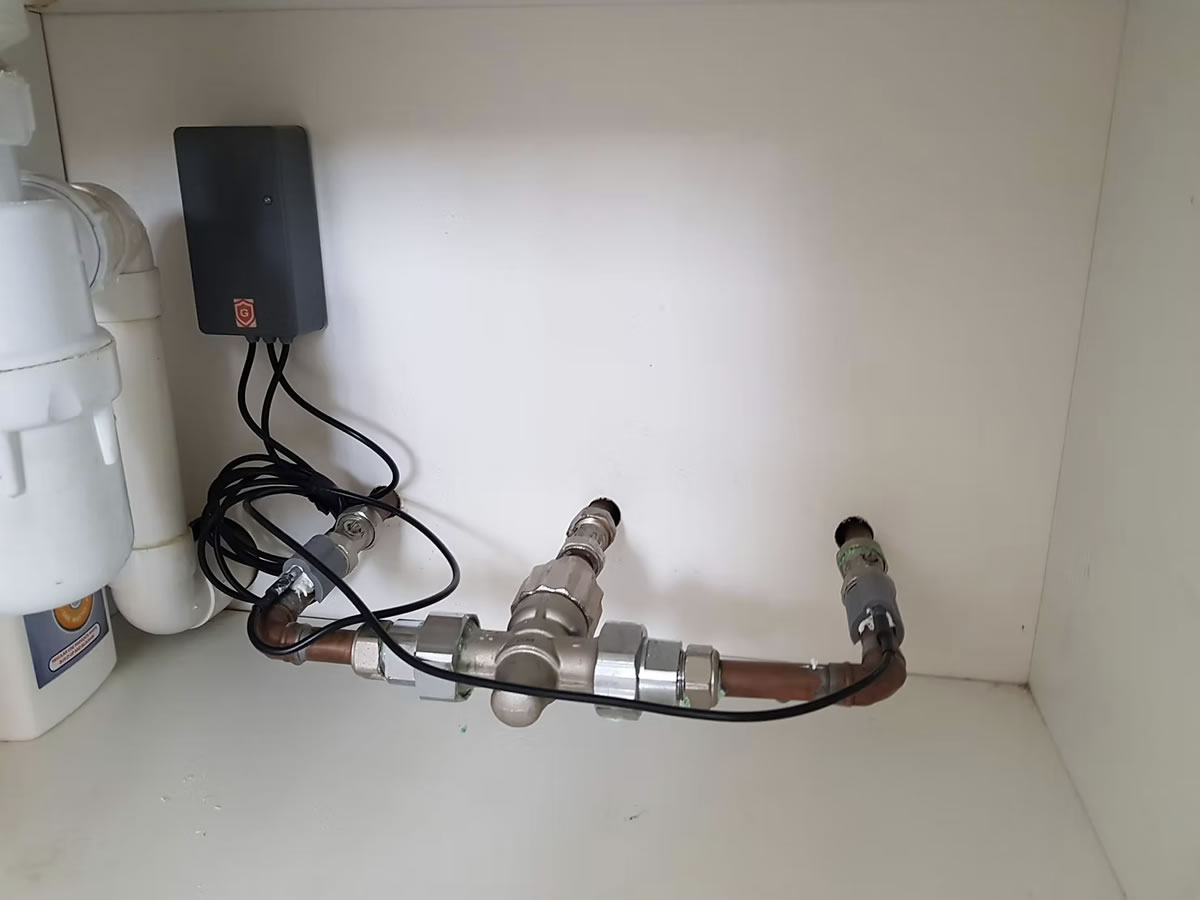
Legionella Control International is a world-leading water safety specialist, supporting organisations responsible for controlling Legionella and other waterborne pathogens across a wide range of sectors. Alongside our specialist consultancy, risk assessment, auditing, training and compliance services, we also provide advanced IoT-enabled remote monitoring solutions that deliver continuous visibility of critical water system parameters. By combining real-time monitoring technology with expert technical support and decades of practical experience, we help organisations identify emerging risks earlier, improve operational oversight, and maintain safer water systems.
Whether you are responsible for a healthcare facility, commercial premises, educational establishment, or complex multi-site property portfolio, our experienced water safety specialists can help you develop and implement an effective strategy for controlling Legionella risk.
To learn more about our water safety services and state-of-the-art remote monitoring solutions, please contact Legionella Control International today on 0330 223 36 86.
