Designing Building Water Services to Reduce Legionella Risk
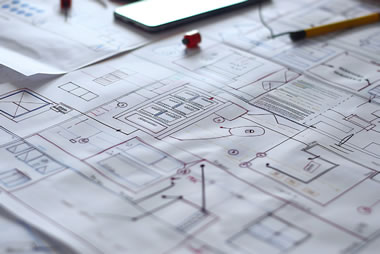
Designing effective building water services is not just about delivering water where it’s needed, it’s about ensuring the safety and health of those who will rely on it. By incorporating water safety principles and Legionella risk reduction strategies into the design phase, developers, architects and building services engineers can prevent costly remedial work later and safeguard occupants from harmful bacteria. Well-considered design choices offer practical benefits too, from reduced maintenance requirements to greater system efficiency and long-term compliance with health and safety regulations.
In this article, our expert team explore how proactive design can minimise the risk of Legionella and other waterborne bacteria in new building systems. We discuss common pitfalls such as over-sizing for future expansion, the unintended consequences of components like thermostatic mixing valves, and the importance of collaboration between services engineers and building users at the planning stage. Through practical examples and expert advice, we highlight how thoughtful design can deliver safer, simpler, and more cost effective water systems from day one.
A version of this article exploring how proactive design of building water services can minimise the risk of Legionella first appeared in Legionella Control International’s newsletter. To get it in your inbox, sign up here.
Building water services installations that reduce Legionella risk
Legionella is one of several types of waterborne bacteria that can multiply within a manmade water system, potentially causing illness among those who are exposed to that water supply.
You’re probably aware of the importance of conducting a water safety or Legionella risk assessment to determine where there are risks of bacteria lurking and multiplying in various parts of a hot or cold-water system. While this is an essential part of any approach to maintaining good water safety, a different approach is highly recommended when designing new building water services.
We’ll look at this topic in more detail, so we can see how proper water engineering designs that focus on minimising opportunities for Legionella and other bacteria to take-hold and grow can make the resulting water systems safer to use.
Proper water engineering design can eliminate many Legionella risk factors
Engineers who design water systems for new buildings, whether those are office blocks, hospitals, hotels or other venues, will rarely be the ones who use them once they’re finished. While these individuals will know a lot about designing a workable water system, it’s unlikely they will know the specific requirements of that building once it’s in operation.
For example, let’s assume a building services engineer designs a water system for a new hospital building. They know that an additional wing is planned for some point in the future, although no firm plans or dates are available for this at present. It might seem sensible to plan a water system that will easily accommodate any additional wings now, saving time and hassle later.
However, in doing so, the hospital water systems will require greater capacity, particularly when storing supplies in cold water tanks. Since large quantities won’t yet be needed, there is a greater risk of stagnant water forming that can raise the risk of waterborne bacteria multiplying and spreading.

Design stage input from building users can be essential in reducing Legionella risk
Input from those who will use the building’s facilities is essential at the design stage. Many potential issues or misunderstandings can be easily resolved at this stage. For example, it may seem prudent to make sure water outlets are placed at all points where they might be needed. However, there is a big difference between this and placing them only where they will be needed and regularly used.
Infrequent use of taps, shower heads, and other water outlets can raise the risk of stagnant water formation and the growth of biofilm within the pipework. Waterborne bacteria use biofilm both as a hide-out and as a food source, thereby raising the risk of Legionella and other bacteria becoming an issue within at least part of the water system. Those outlets would need to be regularly flushed through to prevent this.
A quick change at the design stage could easily resolve this potential issue, preventing Legionella from forming in the first place. This simple example shows how crucial it is that individuals who will use the building are involved at the design stage. They won’t have the expertise to help design a working water system, but they will be aware of the risk factors that can be avoided at this stage.
Choosing the best plumbing components to get the job done
One common risk factor pertaining to hot and cold-water systems in any building is that of hot water that has the potential to scald those using it. This is particularly relevant to hospital settings and care homes where elderly people may be present.
Thermostatic mixing valves (TMVs) are routinely installed to make sure hot water is delivered at a safe temperature. However, these valves also mean the hot water temperatures can drop to a level that makes Legionella bacteria easier to multiply. It may seem ideal to install TMVs everywhere in a hospital or care home, but this could pose a danger of a different kind. TMVs should only ever be installed where required, which would be done after a scald risk assessment specifically aimed at identifying scalding risks is conducted.
Aiming for simplicity throughout the water services installation
In an existing building, the water system may be added to or changed over the years depending on user requirements, maintenance, replacement, or extensions. When designing a water system to go into a new building, simplicity should be the aim. It doesn’t guarantee that no changes will be made in future, of course, but the water system should be designed to consider all potential risk factors. In many cases, complexity is a risk factor of its own.
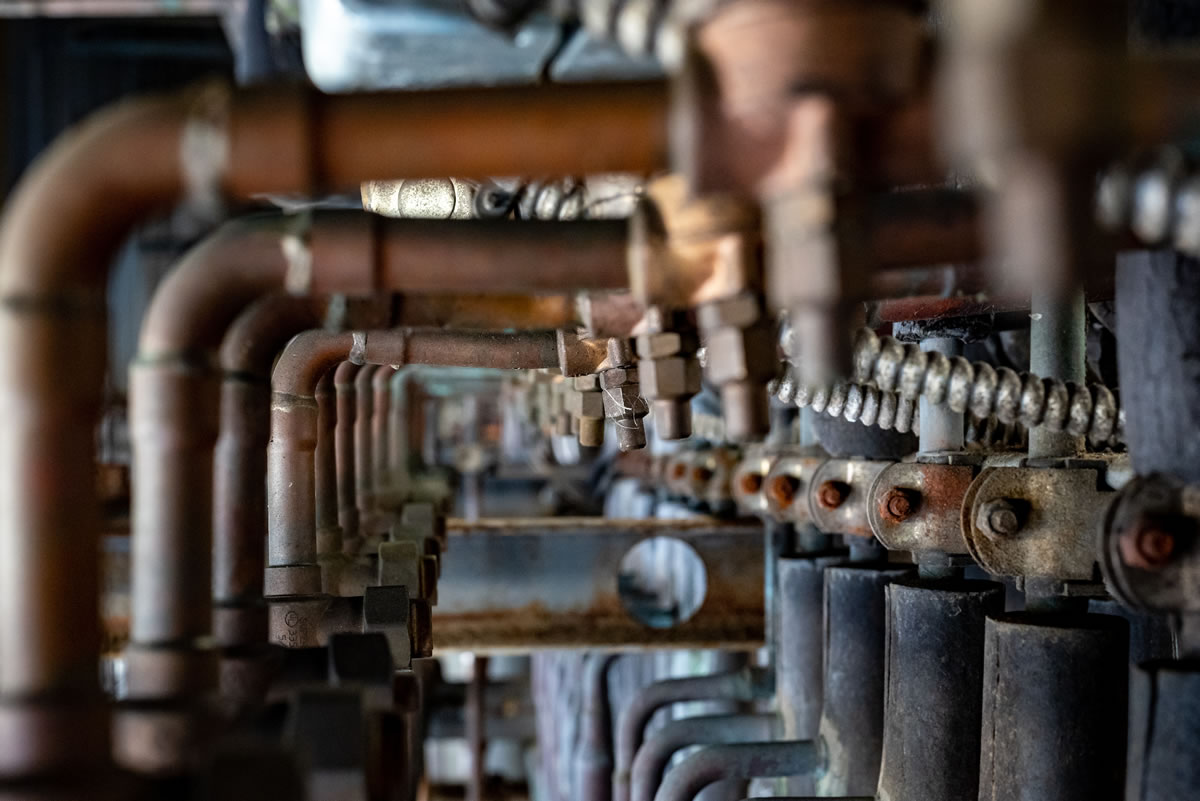
A good example of this can be illustrated with runs of pipework. The rule of thumb here is the shorter the better. The more pipework a water system has, the bigger it becomes and the more difficult it is to monitor, maintain, and check. By keeping pipe runs as short as possible, it also minimises the risk of stagnant water, which can lead to the formation of protective biofilms which also act as a food source for Legionella and other waterborne bacteria.
The present matters more than the future
You’ve probably heard of the idea of futureproofing, a method for ensuring something doesn’t become out of date as soon as it is built or installed. However, this doesn’t fit with hot and cold-water systems, even though it may seem to have its own advantages.
In this case, it might refer to having more TMVs than is presently necessary. It could also mean having a bigger cold-water tank to ensure a replacement isn’t required upon later expansion of a new building. Both would seem to be practical, but as we have already seen, they come with extra risks that could be removed at this stage.
And removal of risk is the aim when designing a new hot and cold-water system, no matter what type of building it is going into. While designing something that would work in the future seems sensible, it merely adds further risk factors today that could be removed.
If Legionella is given the chance to take hold in a manmade water system, it could potentially lead to an outbreak of Legionnaires’ disease, a serious form of pneumonia. Minimising all the Legionella risk factors seen in a water system is of paramount importance. Designing new building water services from the ground up is the perfect time to keep all these risks at a minimum.
World leading water safety specialists
The water safety specialists at Legionella Control International help business owners, property developers, designers, services engineers and building contractors improve water system design, reduce costs and mitigate risks associated with Legionella and other waterborne pathogens to maintain regulatory compliance and keep people safe.
If you would like to speak with one of our water safety specialists about mitigating risks on your latest construction project call us today on 0330 223 36 86 or contact us here …

