
Legionella Control for Data Centres
Artificial intelligence, cloud computing and always-on digital services are driving rapid growth in data centres, and with that growth comes an often-overlooked water safety challenge. Large-scale cooling systems are essential to prevent critical IT infrastructure from overheating, but wherever water is stored, circulated or aerosolised, there is potential for Legionella bacteria to thrive. For data centre operators, understanding and controlling this risk is not just good practice; it is a legal and operational necessity.
This article explores the relationship between data centre cooling requirements and the risk of Legionnaires’ disease, examining common cooling methods such as air and liquid systems, the specific hazards associated with cooling towers, and the issues surrounding water storage and stagnation. It also outlines the legal duties placed on those responsible for data centres, explains the importance of comprehensive Legionella risk assessments, and highlights the role of ongoing monitoring, maintenance and expert support in keeping people safe while ensuring business-critical systems continue to operate reliably.
A version of this article highlighting the need for Legionella control in data centres first appeared in Legionella Control International’s newsletter. To get it in your inbox, sign up here.
Controlling Legionella in data centres
If you’ve read or heard even the occasional news report in recent months, you’ll know that AI is big news. Moreover, there have been multiple reports focusing on the sheer amount of water AI requires to process requests.
When you think about artificial intelligence, Legionella isn’t the first thing that comes to mind. However, there is a clear link, and it’s one that managers of all data centres must be aware of. Data centres require cooling … and lots of it … otherwise the servers and associated equipment can overheat and potentially fail. And with so many computer servers involved, and demands growing evermore, it’s essential to make sure that Legionella doesn’t become an issue.
What is a data centre?
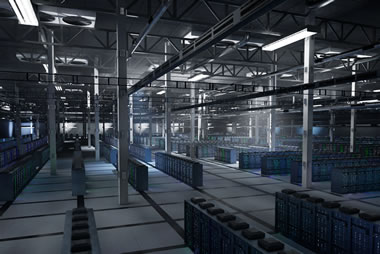
A data centre is a secure facility that houses computer servers and supporting infrastructure to store, process and deliver digital data and online services reliably. Without them, many of the online websites and Internet services we now take for granted could not work or exist.
It’s perhaps not surprising, then, that all this equipment generates a significant amount of heat. If nothing is done to control this, excessive heat may eventually damage the hardware and could lead to outages or complete failure.
What are the cooling requirements and options for data centres?
There are several ways to reduce the temperature inside a data centre to ensure no such damage occurs. At their most basic level, they involve one of two options:
- Air cooling
- Liquid cooling
Air cooling
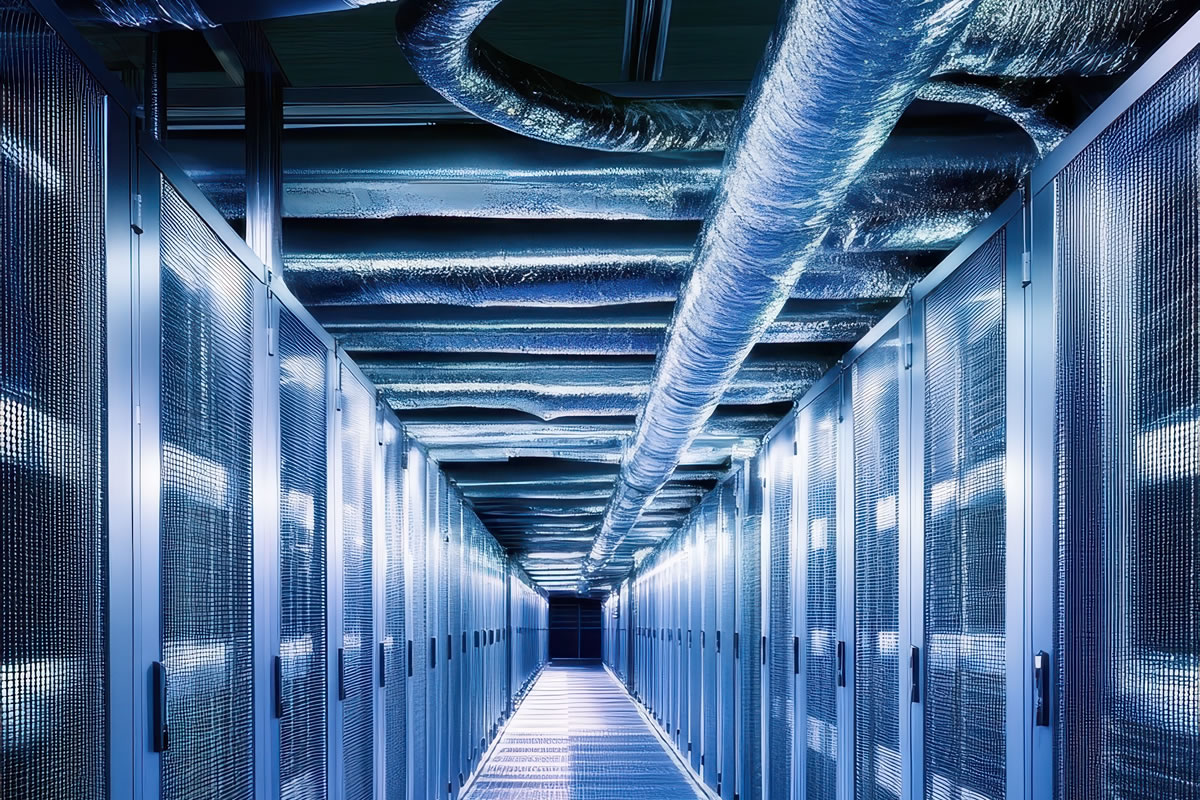
Air cooling can be done in various ways. For example, some data centres have raised floors, with an empty space beneath the floor to blow cool air through. It’s also possible to fit air conditioning specifically designed for data centres.
Liquid cooling
Liquid cooling systems tends to be more complex. For example, it might be possible to opt for liquid immersion cooling. This involves using a liquid specifically designed to conduct heat and electrically insulate equipment placed in it. This has the added benefit of making it impossible for equipment to be affected by dust or other contaminants.
Data centres, cooling towers and the risks from Legionnaires’ disease
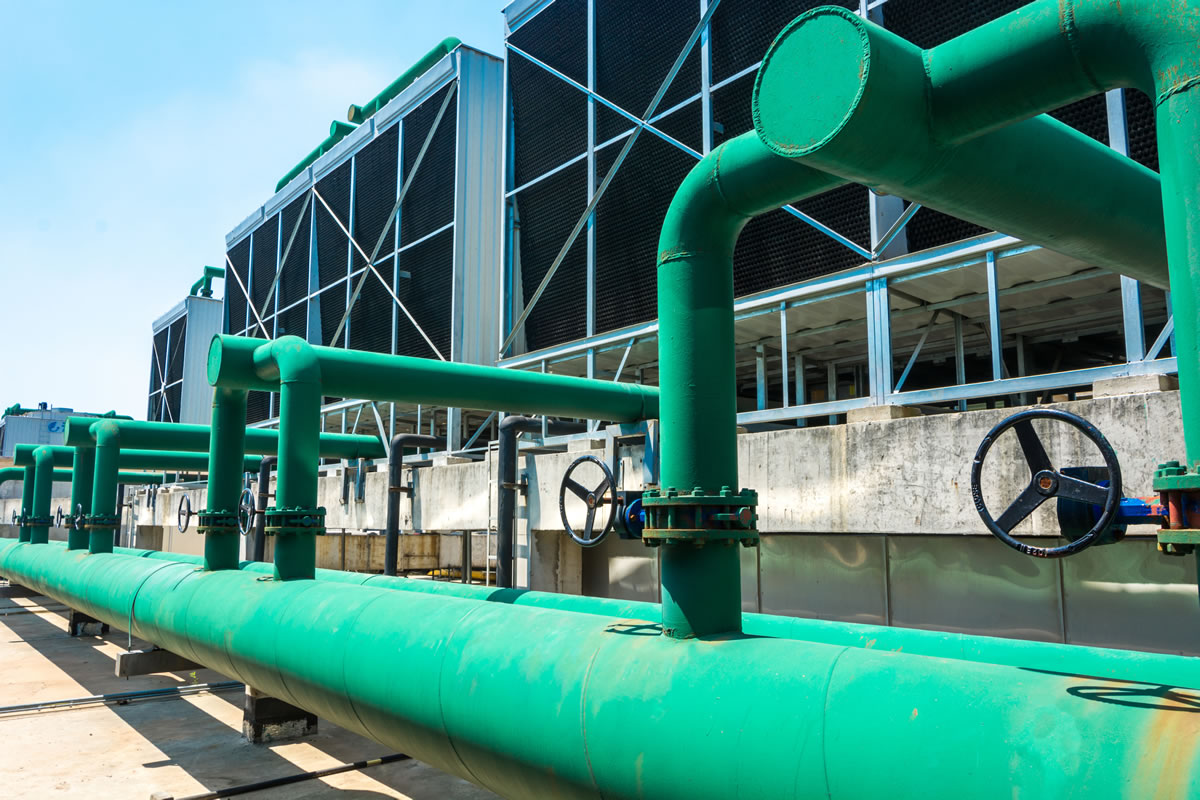
Cooling towers are commonly used to help remove heat from inside data centres. They use water to cool the air before releasing it into the atmosphere. While they are effective at achieving this, they can also pose a significant risk in terms of bacterial contamination if they are not managed correctly.
No doubt you have heard of Legionnaires’ disease, a serious disease caused by exposure to Legionella bacteria. Cooling towers aren’t always at the centre of such outbreaks, but they have been responsible for several in the past. They can potentially cause an outbreak because they emit water vapour into the air. If that vapour becomes contaminated with Legionella bacteria, anyone in the immediate area could inhale it and fall ill.
This means it is even more important for those in charge of a data centre to make sure they know how to manage the water systems under their control to prevent a Legionnaires’ disease outbreak. If you own or operate a data centre, you must know your responsibilities in this respect … it’s a legal requirement.
Cooling towers naturally experience changing temperatures as they do their job and remove heat from the air through water usage and evaporation. This means the risk of Legionella bacteria multiplying within the cooling system (and potentially other waterborne bacteria too) could rise to unacceptable levels.
Data centre water storage requirements
A large data centre requires large amounts of water to maintain the cooling process required to keep everything operating as it should. And this is another area of water safety that must be considered when assessing potential risk factors. Stored water can easily become stagnant if it does not circulate. This raises the risk of bacteria multiplying. It also makes it more likely that biofilms will form inside the water storage tanks or cooling systems, which act as a food source and protective environment for bacteria, including Legionella.
Understanding the risks from Legionella bacteria
Legionella is a type of waterborne bacteria that is present in natural water sources, but it can also easily get into manmade water systems, including cooling towers, cooling systems and water storage facilities.
Legionnaires’ disease is a potentially fatal form of pneumonia people can contract if they inhale water vapour or droplets that contain Legionella bacteria. While anyone can be affected by the disease, those aged 45 and over are at greater risk. It also disproportionately affects those who smoke or drink, or who already have a compromised immune system. If you have a chronic condition, this will also put you at greater risk than the general population.
What does the law say you need to do about Legionella?
If you own a data centre or hold responsibility for controlling the premises, you must be competent which might require further Legionella specific training, and be able to consider the risk of Legionella bacteria in the water systems on your site. You must then manage those risks to ensure they are kept as low as possible. Learn what you must do about Legionella.
As we have seen, cooling towers, falling into the evaporative cooling system category pose a potential risk of Legionella contamination if they are not properly managed.
You must conduct a Legionella risk assessment
If you are responsible for water safety at a data centre, you must make sure you conduct a Legionella risk assessment to identify all the possible risks that may arise regarding Legionella bacteria. Some businesses have simple water systems and only require a basic risk assessment, but you’re likely to need a more in-depth one at a data centre. Cooling towers are considered high risk as far a Legionella is concerned.
While it is possible to conduct a basic risk assessment of a simple water system based on common sense, it is advisable to make sure you have the required knowledge to conduct the assessment. Alternatively, you can hire a reputable outside expert to handle this for you.
Once you have identified all possible Legionella risks you have noted in the water system, you must remove those risks where possible and reduce them if not. For example, a cooling tower is a significant risk factor, given that they have been involved in outbreaks of Legionnaires’ disease in the past. However, removal would not be possible in this case, as they are an essential part of the cooling process that keeps data centres running.
So, the solution could be to ensure that the cooling tower is regularly assessed, cleaned and maintained in line with the HSE ACOP L8 and HSG274 Part 1, to minimise the risk factors. You should also ensure the water is treated to control bacterial levels.
Since Legionella bacteria most readily thrives in temperatures of between 20-45 degrees Celsius, water inside your systems should be maintained either above or below this where possible. This applies to all water sources and storage systems involved at the data centre.
Regular monitoring and maintenance should include water testing, too, so you can determine whether there are unsafe levels of bacteria in the water. The results of this testing will also confirm whether your treatment and chemical dosing levels are suitable for the cooling system in use.
Seeking advice from experts in Legionella control
Data centres are by their very nature large and complex places. Cooling towers are commonplace, as are other methods for cooling the airflow around all the hardware in place there.
Clearly, this is not a situation where a basic Legionella risk assessment will suffice. Someone must be trained and experienced in conducting an assessment that includes cooling systems, and who has the skills to properly identify all the risks that are present. Competency is key here, and if you are responsible for water safety at a data centre, you may benefit from seeking advice and support from an expert outside the business. That’s something Legionella Control International can help you with.

Keeping data centres safe from Legionnaires’ disease
As data centres continue to expand to meet the demands of AI and digital services, the pressure on cooling systems, and the water they rely on, will only increase. That makes effective Legionella control a critical part of data centre management, not an afterthought. From cooling towers and complex pipework to large volumes of stored water, the potential risks are significant, but they are also manageable with the right knowledge, processes and professional support in place.
By taking a proactive approach to Legionella risk assessment, monitoring and maintenance, data centre operators can protect staff, contractors and the wider public while remaining compliant with their legal responsibilities. In doing so, they safeguard not only health and safety, but also the resilience and reliability of the digital infrastructure that modern businesses depend on.
Leading specialists in Legionella control for complex environments
Legionella Control International is a leading water safety specialist, supporting those responsible for controlling Legionella and other waterborne pathogens across a wide range of high-risk and technically complex environments, including data centres. Our experienced teams understand the unique challenges posed by large-scale cooling systems, cooling towers and high-water usage, and work with operators to keep people safe while maintaining critical infrastructure.
We provide expert Legionella risk assessments, monitoring programmes, auditing, training and ongoing support tailored to data centres and other mission-critical facilities. Whether you manage a single site or a large, multi-site portfolio, we can help you develop robust water safety management systems, policies and procedures that meet legal requirements and reflect best practice.
If you would like to discuss any of the issues raised in this article or speak to one of our water safety specialists about Legionella control in data centres, please call us today on 0330 223 36 86.

