Précis of HTM 04-01 – Safe Water in Healthcare
HTM 04 or to give it its full title “Health Technical Memorandum 04-01: Safe water in healthcare premises” was first published by the Department of Health in 2006 replacing HTM 2027 and HTM2040.

The germ which causes Legionnaires’ disease is a bacterium called Legionella pneumophila.

In a legionella control context the term “Responsible Person” is identified in the Health & Safety Exectutive’s Approved Code of Practice document L8 as someone with day-to-day responsibility for controlling any identified risk from Legionella bacteria.
Hospital-acquired Legionnaires’ disease usually originates in hospital water systems. Legionella bacteria not only persists in hot water tanks, it is often found in the biofilm through the entire hospital water system.

The UK’s Health and Safety Executive have recently issued a warning concerning the standard of legionella risk assessments following the successful conviction of a UK water treatment company that conducted inadequate and misleading surveys at several nursing homes.
Legionella Control Association, in July 2005 the UK’s Code of Conduct Association changed its name to the Legionella Control Association or LCA as it it often referred.

The UK’s Health & Safety Executive has issued a warning to organisations concerning their responsibilities to control levels of Legionella bacteria after they fined a Liverpool hospital for serious legionella control related failings.
Legionella is the genus of bacteria, which gives rise to the risk of infection from diseases, collectively known as legionellosis.
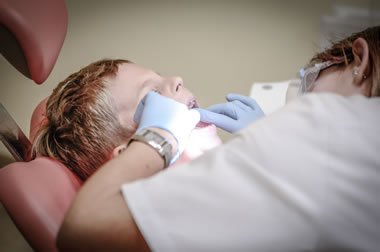
Legionella Control International’s guide to legionella risk assessments for dental practices has been prepared to help those involved in the provision of dental services, including dentists, dental support staff and service engineers to understand more about legionella risk assessments including whether you need one, and what is involved if you do.
The UK’s Health & Safety Executives ACOP L8 recommends that routine testing for Legionella bacteria in wet cooling systems be carried out at least quarterly, and more frequently when a system is being commissioned, or if the bacteria has been identified on a previous occasion.
This site uses cookies. By continuing to browse the site, you are agreeing to our use of cookies.
OKLearn moreWe may request cookies to be set on your device. We use cookies to let us know when you visit our websites, how you interact with us, to enrich your user experience, and to customize your relationship with our website.
Click on the different category headings to find out more. You can also change some of your preferences. Note that blocking some types of cookies may impact your experience on our websites and the services we are able to offer.
These cookies are strictly necessary to provide you with services available through our website and to use some of its features.
Because these cookies are strictly necessary to deliver the website, refusing them will have impact how our site functions. You always can block or delete cookies by changing your browser settings and force blocking all cookies on this website. But this will always prompt you to accept/refuse cookies when revisiting our site.
We fully respect if you want to refuse cookies but to avoid asking you again and again kindly allow us to store a cookie for that. You are free to opt out any time or opt in for other cookies to get a better experience. If you refuse cookies we will remove all set cookies in our domain.
We provide you with a list of stored cookies on your computer in our domain so you can check what we stored. Due to security reasons we are not able to show or modify cookies from other domains. You can check these in your browser security settings.
These cookies collect information that is used either in aggregate form to help us understand how our website is being used or how effective our marketing campaigns are, or to help us customize our website and application for you in order to enhance your experience.
If you do not want that we track your visit to our site you can disable tracking in your browser here:
We also use different external services like Google Webfonts, Google Maps, and external Video providers. Since these providers may collect personal data like your IP address we allow you to block them here. Please be aware that this might heavily reduce the functionality and appearance of our site. Changes will take effect once you reload the page.
Google Webfont Settings:
Google Map Settings:
Google reCaptcha Settings:
Vimeo and Youtube video embeds:
The following cookies are also needed - You can choose if you want to allow them:
