
What is Legionellosis?
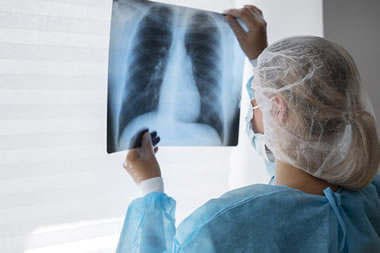
Legionellosis is the collective name given to a group of illnesses caused by Legionella bacteria. These range from Pontiac fever, a short-lived flu-like condition, through to Legionnaires’ disease, a severe form of pneumonia that can be life-threatening if left untreated. The bacteria are most commonly spread through inhaling tiny water droplets or mist contaminated with Legionella, often from manmade water systems such as cooling towers, hot tubs, or poorly maintained plumbing. While many cases are mild and may go unnoticed, others can be serious enough to require hospital care.
In the sections that follow, we explore the different forms of Legionellosis in more detail, including Legionnaires’ disease, Pontiac fever, and the lesser-known Lochgoilhead fever. The article also explains how outbreaks occur, who is most at risk, and the steps that can be taken to minimise the dangers. By understanding how Legionella bacteria spread and the conditions in which they thrive, it becomes easier to appreciate the importance of proper water safety management and the role it plays in preventing future outbreaks.
A version of this article asking “what is Legionellosis” first appeared in Legionella Control International’s newsletter. To get it in your inbox, sign up here.
What is Legionellosis?
No doubt you have heard of Legionnaires’ disease, but the term Legionellosis may be less familiar to you. This is the collective term given to a group of infections all caused by Legionella bacteria, ranging from a mild flu like illness (Pontiac fever) to a severe, potentially life-threatening pneumonia (Legionnaires’ disease), spread through inhaling contaminated water droplets.
Legionellosis in more detail …
Legionellosis can present as a mild illness. This is known as a non-pneumonic version of the illness. Indeed, some people who contract this version may not realise they have it, instead believing they have a cold or perhaps flu.
However, in some cases where the pneumonic version is experienced, it can be far more serious. Legionnaires’ disease, presenting as a serious form of pneumonia, often requires medical attention, for example, with antibiotics provided in a hospital setting.
In this article, we’ll discuss this further, covering Legionnaires’ disease, Pontiac fever, and the far less familiar Lochgoilhead fever.
Legionella bacteria: the basics
We now know there are at least 60 different species of Legionella bacteria. Furthermore, most of those are thought to be capable of causing disease in humans. Some species are found in soil, but it is typical for an outbreak of disease to stem from Legionella bacteria colonising a manmade water system. The following diseases can all stem from this scenario.

What is Legionnaires’ disease?
This is the most familiar disease caused by Legionella bacteria. It is also the most serious, presenting as a form of pneumonia. As such, the symptoms mirror those you would expect to have if you were suffering from the flu. These may include a fever, aches and pains, a headache, and tiredness. An affected person may also develop a cough and may produce mucus.
The seriousness of Legionnaires’ disease means that if you suspect you might have it, or you have been somewhere where you might have contracted it, it is imperative to get proper medical advice as quickly as possible. Most people who are found to have Legionnaires’ disease require hospital treatment.
Additionally, if medical testing confirms a case of Legionnaires’ disease, experts will be keen to identify the source. Other people may also have contracted the disease and may also require medical help. They may not yet be aware they have the disease.
What is Pontiac fever?
This is a less serious illness, but it is still caused by Legionella bacteria. In this case, those affected shouldn’t require any treatment, even if they are specifically diagnosed with Pontiac fever, since it usually resolves on its own in a week or so. Oftentimes, an official diagnosis may only happen if the individual realises that they have been somewhere that has since been identified as the centre of an outbreak of Pontiac fever.
Pontiac fever presents much like flu. Even though many of the symptoms overlap, they tend to be milder in this case. The affected person will feel feverish, may experience headaches, and generally ache all over.
The main difference between Pontiac fever and Legionnaires’ disease is that the former does not lead to the patient developing pneumonia, therefore the disease is not as serious. It is thought that the same bacteria cause both diseases, but we are not yet certain why some contract the milder condition.
What is Lochgoilhead fever?
The name of this disease refers to an outbreak that occurred in the village of Lochgoilhead in Scotland. The village sits at the head of Loch Goil, hence the name. It lent its name to an outbreak that was traced back to the hot tub spa at a leisure complex there. Testing revealed that the illness, causing similar symptoms to those experienced with Pontiac fever, was caused by the presence of Legionella micdadei. This caused a non-pneumonic condition to develop in those affected.
While far less serious than Legionnaires’ disease, the outbreak did show that many people can fall ill when exposed to high levels of a Legionella bacterium. Hot tubs and spas are known to be particularly risky in terms of Legionella because of the warm water and re-circulated water supply. The risks can be mitigated by carefully assessing the risks plus regular testing, cleaning, appropriate disinfection, and good maintenance practices.

How is Legionella bacteria transmitted?
While Legionella bacteria are found in natural water sources, it is their presence in manmade water systems that often leads to an outbreak of disease. This is because certain conditions often allow the bacteria to develop and spread throughout the system:
- Water temperatures between 20 – 45 degrees Celsius allow bacteria to multiply
- Areas of a water system that are not often used allow stagnant water, which is attractive to Legionella to develop in
- Insufficient maintenance – either it is not done often enough or not performed effectively enough
- Insufficient water treatment and disinfection processes – regular dosing can keep bacteria at safe levels
If the bacteria are present at unsafe levels, those in the vicinity may inhale it via contaminated water spray, vapour, mist, or droplets in the air. These are carried into the lungs, where the disease can develop.
Are some people more likely than others to contract Legionellosis?
Yes. Studies have shown that men are more likely to develop it than women. Additionally, around 75% to 80% of all reported cases have occurred in people aged 50 and over. Those who already have a respiratory or pulmonary illness or condition are also at greater risk of being affected by Legionella bacteria. Other chronic conditions can also raise the risk factor.
How to minimise the risk of contracting Legionellosis
Despite the outbreaks you can read about online, it is unlikely that any individual will ever contract the disease. However, outbreaks do occur. It is the responsibility of those in charge of healthcare, public, commercial, and other settings to ensure the water systems under their control are as safe as possible.
By following all technical guidance and recommendations for the management of Legionella bacteria, it is possible to make sure any water system is as safe to use as possible. A Legionella risk assessment will highlight the risk factors present, so they can be removed or reduced in size. While Legionella bacteria does pose a significant risk, there are practical steps that can be taken to ensure it remains under control.
Leading water safety specialists
Legionella Control International is a world leading water safety specialist, supporting those responsible for the control of Legionella and other waterborne pathogens in the workplace. Our water safety teams help keep water systems safe to use, protecting staff, visitors and others from harm.
If you are concerned by any of the issues raised or you would like to speak with one of our water safety specialists, please call us today on 0330 223 36 86.

