
Firm Fined for Failure to Manage Legionella Risk Resulting in Death of Prisoner
 A fine of £600,000 has been imposed on Amey Community Limited, following the death of a prisoner at HMP Lincoln in 2017. The Health and Safety Executive (HSE) investigated the death of Graham Butterworth, who died on 5th December 2017 after falling ill with Legionnaires’ disease.
Amey Community Limited was responsible for facilities management at the prison, and pleaded guilty to a breach of the Health and Safety at Work etc. Act 1974 following the HSE investigation. The case was heard at Lincoln Magistrates’ Court on 3rd December 2024, almost seven years to the day Mr Butterworth died.
A version of this story about the prosecution of Amey Community Ltd. following the death of a prisoner at HMP Lincoln in 2017 first appeared in Legionella Control International’s newsletter. To get it in your inbox, sign up here.
The HSE investigation discovered multiple health and safety failures
According to a press release issued by HSE, the company had conducted a Legionella risk assessment in 2016 but had not acted on its findings. There was no written scheme in place to prevent and control the risks posed by Legionella bacteria in the water system that was inside the prison. Furthermore, safe water temperatures were not maintained in the prison and were not monitored in the two months immediately preceding Mr Butterworth’s death.
The fine of £600,000 was imposed following their guilty plea, along with costs totalling £15,186.85.
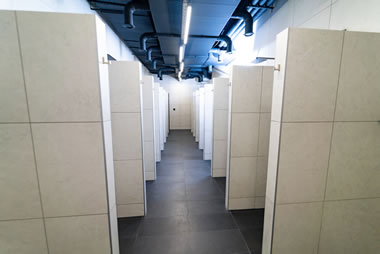
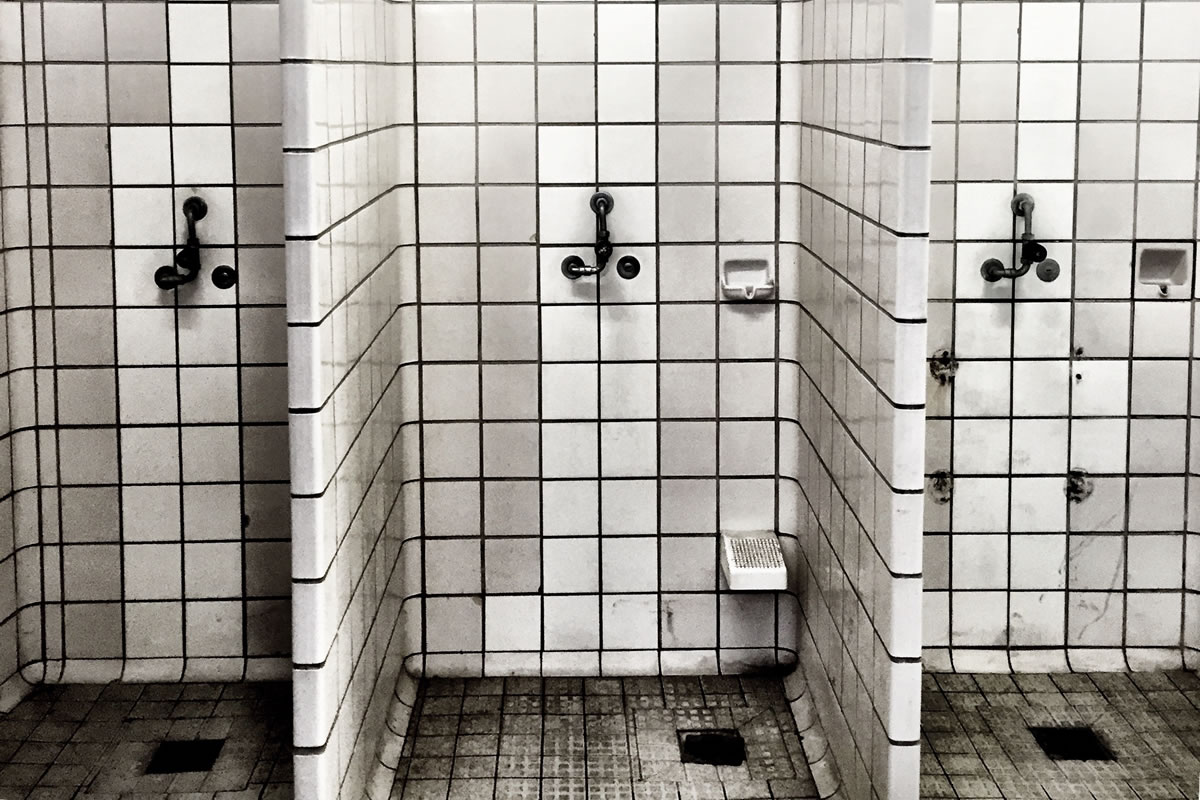
Following the death, HSE took samples from the water supply fed into Mr Butterworth’s cell, and from nearby prison shower blocks, finding positive results for Legionella bacteria in both cases. The failures noted by the HSE allowed the Legionella bacteria to multiply to a level where it posed a significant risk to anyone in the vicinity.
A spokesperson speaking on behalf of Amey Community Limited noted that it was ‘not fully compliant’ with the regime that was in place at the prison. They also mentioned ‘complicating factors’ – with the ageing condition of the prison noted as one of them.
What is Legionnaires’ disease?
Legionnaires’ disease is a type of lung infection, akin to pneumonia, which can be contracted by inhaling droplets of water suspended in the air. This can occur via cooling towers, hot tubs, shower heads, or anything else that creates water vapour in the air.
If the vapour contains Legionella bacteria, it can then be inhaled into the lungs, where it can develop into Legionnaires’ disease or the less serious Pontiac fever.
Legionnaires’ disease got its name from the outbreak that affected a Legionnaires’ convention in Philadelphia, USA in 1976. While similar outbreaks had occurred elsewhere before this, the Philadelphia outbreak was the one that led to the discovery of Legionella bacteria. Experts then began to understand the risks and how it could spread in poorly managed water systems.
How can you prevent Legionella bacteria from spreading in hot and cold water systems?
To stop Legionella spreading the first step is to regularly undertake a risk assessment of the water systems. This should highlight all potential risk factors, noting whether they can be omitted or minimised, depending on the practicality of the situation. For example, disused areas of pipework should be removed where possible. If this is not viable, the pipework should be flushed through regularly to prevent Legionella bacteria from establishing itself in that area of the system.
The challenges of controlling Legionella in an older water system
The company fined for its health and safety failings in this case mentioned the age of the water system and the specific challenges of managing it. However, the requirement is always to risk assess the system and remove or minimise all the dangers that are present.
The older the water system, the more likely it is that the inside of the pipework could be corroded. This leads to a greater chance of biofilm forming inside the pipes. This in turn acts as a food source for Legionella and other bacteria, further encouraging its spread within the water system.
However, regular cleaning and maintenance should be in place to ensure pipework is always flushed through, cleaned and treated to reduce corrosion and biofilm formation and build-up. Regular Legionella risk assessments should also note where plumbing dead legs and other disused water outlets may be present. These should be removed where possible, to get rid of the opportunity for stagnant water to sit inside those areas of the system. Legionella is far more likely to develop and spread in stagnant water and then spread throughout the system.
Regular maintenance, cleaning, and monitoring should prevent cases of Legionnaires’ disease from happening
As we have seen with this case, failures to properly manage the risks associated with Legionella bacteria can result in the death of one or more individuals exposed to it via the affected water system. While a Legionella risk assessment was undertaken in this instance, the HSE investigation highlighted failures that led to Mr Butterworth’s death.
It also highlighted the challenges of managing an older water system, although as with all water systems, those challenges could – and should – still have been managed.
World Legionella safety specialists
The environmental safety specialists at Legionella Control International help business owners, facilities managers and those responsible for workplace safety mitigate risks associated with Legionella and other waterborne pathogens to maintain regulatory compliance and keep people safe.
If you would like to speak with one of our water safety safety specialists call us today on 0330 223 36 86 or contact us here …

